




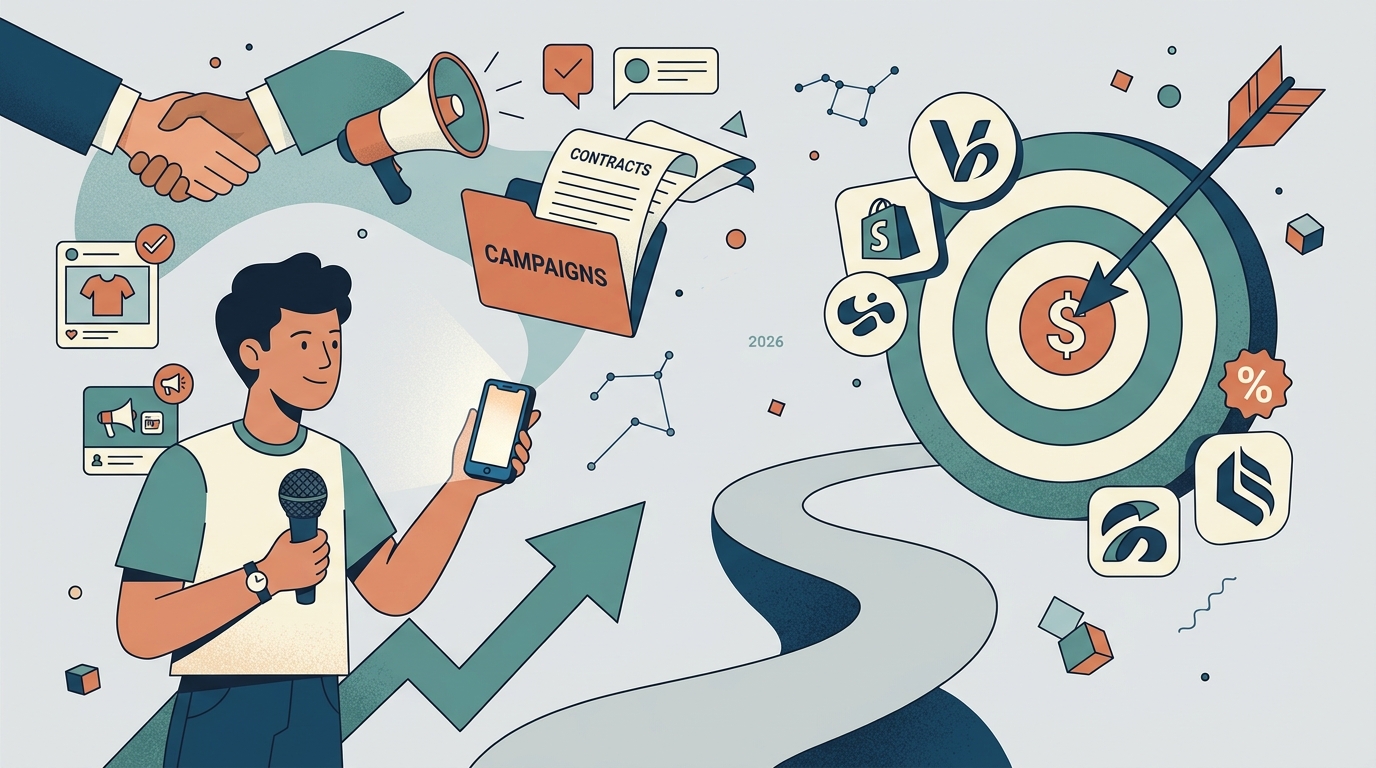
Brand deals are the backbone of the modern creator economy. Whether you have 5,000 followers or 5 million, a brand deal is simply a paid or in-kind partnership where a company compensates you to feature, use, or promote their product to your audience. For most creators, brand deals are the fastest path from passion project to paying gig.
The hard part is not making content, it is understanding how brand deals actually work: what they pay, who qualifies, and how to land your first one without a manager or an agency. This guide breaks down brand deals for influencers at every stage, from micro-creator UGC contracts to macro-influencer ambassador retainers.
What Are Brand Deals?
A brand deal is any arrangement where a company compensates a creator, in cash, product, or commission, in exchange for content, exposure, or endorsement. The deliverable and the payment vary widely, but the core exchange stays the same: your audience's attention for the brand's budget or product.
Brand deals for influencers used to mean a small pool of celebrities and beauty vloggers signing six-figure endorsement contracts. That is no longer true. Brands now run always-on programs that work with hundreds of nano- and micro-creators at once, often through creator marketplaces rather than one-off negotiations.
Not every brand deal involves cash upfront. Many start as product gifting or affiliate arrangements and evolve into paid contracts once a creator proves they can drive real engagement or sales. Treat every collaboration, paid or unpaid, as an audition for a bigger deal later.
You also do not need a huge following to qualify. Most brands running always-on creator programs care more about audience fit and content quality than raw reach. A 6,000-follower account with a tight niche and real engagement is a realistic brand deal candidate, not just an exception.
Types of Brand Collaborations
Brand collaborations fall into five broad categories, each with a different payment model and level of commitment. Knowing which one you are being offered changes how you should negotiate.
| Collaboration Type | What It Involves | Typical Payment Model | Best Fit |
|---|---|---|---|
| Sponsored Post | One-off post or video featuring a product | Flat fee per post | Any creator with an engaged niche audience |
| Brand Ambassador | Ongoing relationship, multiple posts over months | Monthly retainer or product + fee | Creators aligned long-term with one brand |
| Affiliate Marketing | Unique link or code, commission on sales | Commission (percentage of sales) | Creators with high purchase-intent audiences |
| UGC (User-Generated Content) | Content made for the brand's own ads or channels, not your feed | Flat fee per asset, no posting required | Creators who prefer production over reach |
| Content Licensing | Brand pays to reuse your existing content in their ads | One-time or renewable licensing fee | Creators with high-performing organic posts |
Whichever type of brand collaboration you take on, disclosure is not optional. The FTC requires clear and conspicuous disclosure whenever there is a material connection between you and a brand — its Disclosures 101 for Social Media Influencers guide spells out what counts.
Instagram, TikTok, and YouTube each enforce their own version of this rule through official tools, not just a caption hashtag — look up Instagram's branded content policy, TikTok's branded content policy, and YouTube's paid promotion disclosure settings before you publish your first sponsored post.
How Much Do Brand Deals Pay?
There is no fixed brand deal rate card. Pay depends on platform, follower count, engagement rate, and deliverable. As a rough, directional guide: expect gifting-only deals under 10K followers, low hundreds of dollars in the 10K-50K range, and totals that climb from there as audience and engagement scale.
| Follower Tier | Instagram / TikTok (single post) | YouTube (dedicated video) |
|---|---|---|
| Nano (1K–10K) | Product gifting, occasionally $10–$100 | Rarely paid; gifting only |
| Micro (10K–50K) | $100–$500 | $300–$1,500 |
| Mid-tier (50K–200K) | $500–$2,000 | $1,500–$5,000 |
| Macro (200K–1M) | $2,000–$10,000 | $5,000–$20,000 |
| Mega (1M+) | $10,000+ | $20,000+ |
Treat these as directional ranges, not guarantees. Actual brand deal rates swing widely by niche (finance and tech typically pay more than general lifestyle), engagement rate, and whether the brand wants usage rights or exclusivity on top of the post itself.
The table above covers sponsored posts, but other brand collaborations price differently. Affiliate commissions typically run 5-20% per sale, depending on category and margin. UGC content fees, where you are paid to produce an asset without posting it, tend to run roughly $50-$500 per video or photo, priced by production effort rather than audience size.
Ambassador retainers vary the most of all, from free product only up to several thousand dollars a month once a creator has a proven conversion track record with that brand.
This is one reason brand deals for influencers with tight, high-intent niches, finance, B2B, parenting, home renovation, often out-earn broader lifestyle accounts with more raw followers. A smaller, sharply defined audience is easier for a brand to value.
How to Get Brand Deals
Getting your first brand deal is mostly a preparation problem. Brands need to see professionalism and audience fit before they will pay you. Here is the sequence that works for most creators, regardless of platform or niche.
Expect the process to take weeks, not days. Most creators send several pitches or applications before hearing back, and brands often batch creator outreach around quarterly campaign calendars. Consistency matters more than any single perfectly-worded email.
- 1Nail down your niche and audience data
Brands pay for specificity, not raw follower count. Know your audience's age range, location, and interests cold, and be ready to lead with engagement rate, not just followers, in any pitch.
- 2Build a one-page media kit
Include your platforms, follower and engagement stats, past collaborations (even unpaid ones), and a simple rate card. A clean one-pager gets read; a messy PDF gets ignored.
- 3Set a rate card before anyone asks
Decide your minimum rate per post, story, and video before a brand emails you. Use a tool like the Instagram pricing calculator to sanity-check your numbers against your follower and engagement tier.
- 4Get visible where brands are actually looking
Brands increasingly source creators through marketplaces and matching platforms rather than manual search. Listing yourself on a creator monetization platform puts your profile in front of brands actively looking to collaborate.
- 5Pitch cold when inbound is not enough
Do not wait indefinitely. Identify 10-15 brands that already work with creators in your niche, and send a short, specific pitch: who you are, your audience fit, and one concrete content idea.
- 6Start small, then convert into a retainer
Treat your first paid post as an audition. Overdeliver, hit deadlines, and follow up two weeks after posting with performance data — that is exactly how a sponsored post turns into an ongoing ambassador program.
Where to Find Brand Deals
There are three main channels for finding brand deals: creator marketplaces, inbound requests, and direct pitching. Most working creators use a mix of all three rather than relying on just one.
- Marketplaces and matching platforms — Platforms built specifically to connect brands and creators, like Lessie's creator monetization platform, let you list your rates and niche once and get matched to relevant briefs, no cold outreach required.
- Ambassador programs — Many brands run structured, ongoing ambassador programs with a published application process. These pay less per post than a one-off deal but offer steadier, recurring income. See our guide on how to become a brand ambassador and a running list of active brand ambassador programs.
- Inbound DMs and email — As your engagement rate climbs, brands (and their agencies) start reaching out directly, usually through a public email listed in your bio. Always route inbound interest through a written agreement before you create anything.
- Cold pitching — For creators under 20K followers, direct outreach to brands still outperforms waiting. A short, specific pitch with 2-3 relevant post ideas converts far better than a generic media kit blast.
- Platform-native creator marketplaces — Instagram and TikTok both run their own built-in creator marketplaces that surface your profile to brands already running campaigns on that platform. Joining these costs nothing and adds another discovery channel on top of independent marketplaces.
Brand Deal Rate Negotiation and Red Flags to Avoid
Negotiating a brand deal is not about being difficult, it is about matching the ask to the deliverable. Before agreeing to any number, confirm exactly what the brand expects: how many posts, what usage rights, and for how long.
Avoid quoting a single number first if you can help it. Ask for the brand's budget range, then counter with your rate card plus 10-15%. Most brands expect to negotiate down slightly, so give yourself room.
Before quoting a rate, check your actual engagement numbers rather than guessing. Tools like the Instagram engagement calculator and the TikTok engagement calculator give you a defensible number to anchor your pitch instead of a guess.
- Payment offered as "exposure only" from a brand with real revenue
- No written agreement or contract before you are asked to post
- Requests for full usage rights or ad whitelisting with no extra pay
- Pressure to post within 24 hours of first contact
- Refusal to state a budget range before asking for your rate
Every brand deal, however small, should have something in writing. At minimum, a good agreement covers deliverables (the exact number and type of posts), usage rights (how long, and where the brand may reuse your content), payment terms (amount and timing), and revision limits (how many rounds of edits are included before extra charges apply).
Understanding how brands build their influencer marketing strategy helps you negotiate from a position of knowledge rather than guesswork. Brands budget for creator partnerships the same way they budget for any other marketing channel, and your rate is simply a line item they are trying to make work.
Brand deals reward creators who treat the business side as seriously as the content side. A clear niche, a published rate card, a real media kit, and visibility in the right marketplaces will get you further than chasing follower count alone. Start with one solid collaboration, deliver on it well, and the next brand deal gets noticeably easier to land.