




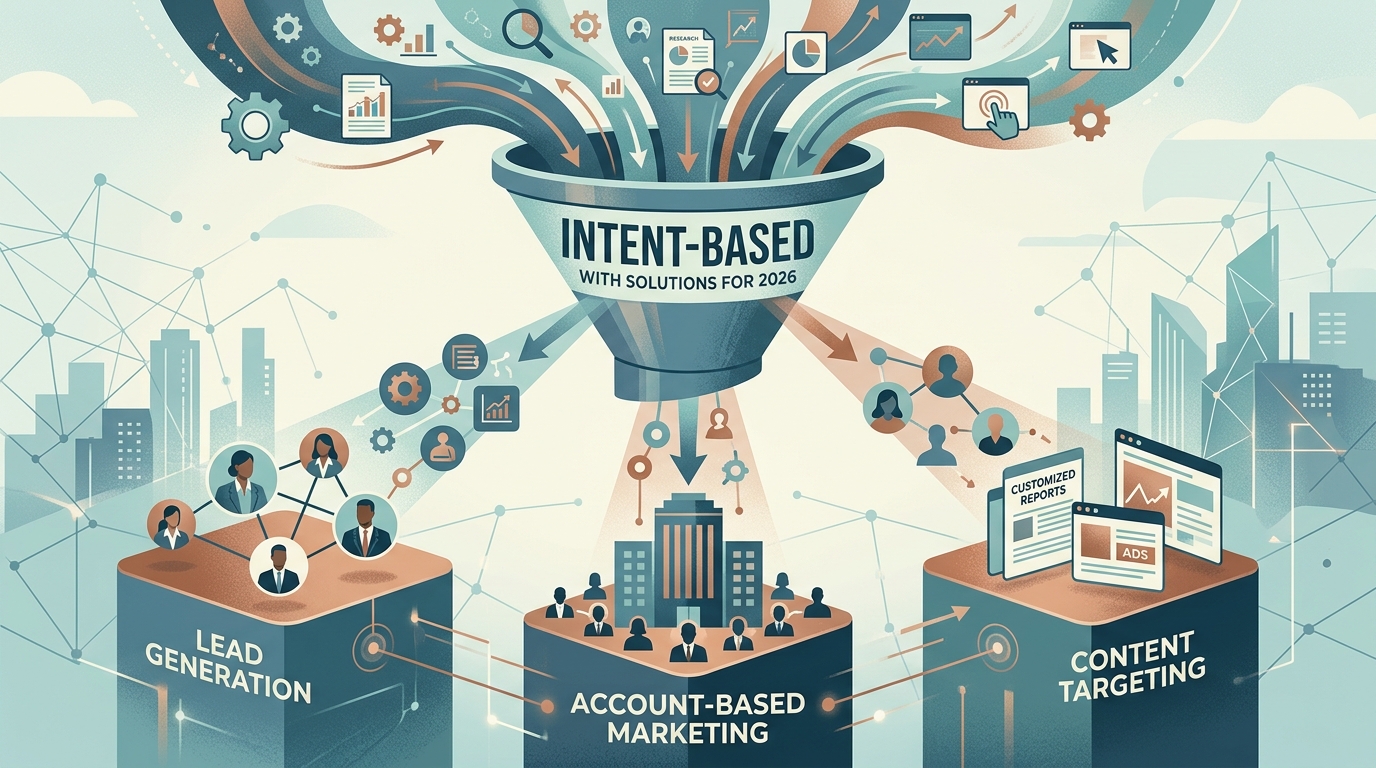
TL;DR: Il marketing basato sull'intento si rivolge agli acquirenti in base a segnali comportamentali — contenuti consultati, ricerche effettuate, strumenti analizzati — invece che su dati demografici statici. I team che integrano i dati di intento nelle loro campagne riportano tassi di risposta 2–3 volte superiori e cicli di vendita più brevi del 30–50% rispetto al solo targeting basato sull'ICP. Questa guida spiega le tre fonti di dati di intento, un framework in 5 passaggi per renderli operativi, il panorama degli strumenti nel 2026 e come iniziare senza un budget a sei cifre. Abbinala al nostro approfondimento sui segnali di intento per una tassonomia segnale per segnale.
La maggior parte dei team B2B sceglie ancora i prospect come nel 2018: costruisce un ICP, estrae una lista corrispondente ai dati firmografici e invia la stessa sequenza a tutti. Il problema è che in un dato giorno solo il 3–5% degli account nel tuo ICP sta effettivamente valutando una soluzione come la tua. Il restante 95% riceve la tua email senza alcun contesto, motivo per cui i tassi medi di risposta a freddo nel B2B sono crollati sotto il 2%.
Il marketing basato sull'intento ribalta questo approccio. Invece di chiederti "chi corrisponde al nostro ICP?" ti chiedi "chi nel nostro ICP sta mostrando un comportamento d'acquisto in questo momento?" Poi indirizzi quegli account verso l'outreach, gli annunci o le vendite prima di tutti gli altri, mentre il resto attende in un percorso di nurturing a ciclo più lungo. Questa guida è il manuale completo: definizioni, le tre fonti di dati, il framework di implementazione e il panorama degli strumenti nel 2026.
Cos'è il marketing basato sull'intento? (Definizione e idea di base)
Il marketing basato sull'intento è una strategia go-to-market B2B che usa segnali comportamentali — non solo dati firmografici — per identificare quali account e persone stanno attivamente ricercando una decisione d'acquisto, per poi dare priorità alle attività di outreach, annunci e vendita verso quel sottoinsieme. L'unità di lavoro è il segnale, non il dato demografico.
Il marketing B2B tradizionale si basa sul presupposto che chiunque corrisponda al tuo profilo ICP abbia più o meno lo stesso valore. Segmenti per settore, dimensioni dell'azienda, ruolo professionale e località, per poi spingere tutti attraverso lo stesso funnel. Il livello dei segnali è invisibile, quindi il tempismo è casuale.
Il marketing basato sull'intento presuppone il contrario: due account con dati firmografici identici si comportano in modo molto diverso a seconda di dove si trovano nel ciclo di acquisto. L'account che cerca "Lessie vs Apollo" un martedì pomeriggio vale 50 volte di più dell'account che non ha digitato il nome della tua categoria negli ultimi sei mesi. Il compito è rilevare quel segnale, valutarlo e agire prima dei concorrenti.
Cosa si considera un segnale di intento? Qualsiasi cosa osservabile che sia correlata a un acquisto attivo: query di ricerca su siti di terze parti, download di contenuti, visite ripetute alla tua pagina dei prezzi, annunci di lavoro che menzionano lo strumento che sostituisci, cambi di dirigenti nel tuo ICP, round di finanziamento, cambiamenti nello stack tecnologico. Più ricco è il tuo livello di segnali, prima cogli la finestra d'acquisto.
Perché ora. Tre fattori sono convergenti. Primo, i fornitori di dati di terze parti (Bombora, G2, TrustRadius, ZoomInfo) hanno reso commercialmente disponibili i dati di intento aggregati per argomento. Secondo, l'IA ha reso economica la personalizzazione dell'outreach basata sui segnali: puoi scrivere un'introduzione su misura che fa riferimento all'esatto trigger in pochi secondi. Terzo, la deliverability è diventata più rigida: le regole per i mittenti di Gmail e Yahoo del 2024 hanno abbassato le soglie di bounce, penalizzando le strategie “spray-and-pray” e premiando i volumi di invio ridotti e basati sui segnali. Il marketing basato sull'intento è la risposta naturale a tutti e tre questi fattori.
Perché il marketing basato sull'intento supera il marketing B2B tradizionale
I team che usano l'intento riportano costantemente tassi di risposta 2–3 volte superiori, cicli di vendita più brevi del 30–50% e un rapporto pipeline-fatturato significativamente migliore rispetto ai team che si basano solo sui dati firmografici. La ragione è meccanica, non magica: smetti di sprecare l'outreach su account che non sono pronti all'acquisto.
Aumento del tasso di risposta. L'email a freddo a una lista ICP generica ottiene oggi un tasso di risposta dell'1–3% nella maggior parte delle categorie B2B. La stessa email inviata ad account che mostrano un picco di intento — ad esempio, un'impennata nell'attività di ricerca sulla tua categoria negli ultimi 14 giorni — si attesta tipicamente tra il 6% e il 12%. La ricerca di Forrester sul marketing B2B sulla selezione di account basata sull'intento mostra costantemente tassi di engagement che sono multipli dell'outbound non segmentato. L'aumento deriva dal tempismo, non dal copy: il prospect avrebbe comunque valutato l'acquisto in questo trimestre e il tuo messaggio è arrivato durante la finestra di valutazione.
Compressione del ciclo di vendita. Quando contatti un account che è già a metà della sua ricerca, salti completamente la fase del "cos'è questa categoria". La ricerca di Gartner sul percorso d'acquisto B2B ha riportato che gli acquirenti completano circa il 70% della loro valutazione in modo indipendente prima di parlare con i fornitori; i dati di intento ti permettono di entrare nella conversazione nella seconda metà di quel percorso, dove i cicli si comprimono e si decidono le trattative competitive. I team con programmi di intento maturi riportano che i tipici cicli B2B si riducono da 90 giorni a 45–60 giorni per gli account segnalati dall'intento.
Efficienza della spesa. Le liste ICP statiche trattano tutti gli account come se avessero lo stesso costo. In pratica, il 60% inferiore di un ICP raramente acquista in questo trimestre. La prioritizzazione basata sull'intento sposta la spesa pubblicitaria, le ore degli SDR e l'outreach per le prove gratuite verso il 5–10% degli account pronti all'acquisto, triplicando tipicamente l'efficienza del costo per meeting senza aumentare il budget totale.
Migliora l'allineamento tra vendite e marketing. Entrambi i team sono improvvisamente d'accordo su cosa significhi un "buon lead": è un account che mostra un comportamento d'acquisto osservabile, non una richiesta da un download gratuito. La lotta sugli MQL si placa. Gli SDR lavorano su account più caldi e smettono di lamentarsi della qualità delle liste.
Una volta che i segnali di intento identificano un account, hai ancora bisogno di un contatto verificato per agire. Lessie trasforma un'azienda e un ruolo target in un'email recapitabile, così l'SDR ha qualcosa da inviare il giorno stesso in cui si attiva il segnale.
Tipi di segnali di intento (di prima, seconda e terza parte)
I dati di intento esistono in tre varianti, e la differenza tra loro determina la copertura, l'accuratezza e ciò che puoi legalmente fare con i dati. La maggior parte dei programmi maturi li combina tutti e tre; ognuno ha un ruolo distinto nel funnel.
L'intento di prima parte è il segnale che osservi sulle tue proprietà: visite al sito web, tempo sulla pagina dei prezzi, richieste di demo, download di ebook, query di ricerca nel supporto, modelli di utilizzo dell'app. È il tipo più accurato — il prospect sta letteralmente interagendo con te — ma copre solo le persone che già conoscono il tuo brand. Usa l'intento di prima parte per classificare i lead in entrata e attivare strategie di espansione a livello di account.
L'intento di seconda parte è il segnale che ricevi da un partner che condivide i suoi dati di prima parte con te tramite contratto: un sito di recensioni (G2, TrustRadius, Capterra) che condivide i visitatori delle pagine di confronto, un partner media che condivide i clic sulla newsletter, o uno strumento complementare che condivide le iscrizioni alle prove gratuite. La copertura è ristretta ma la qualità è alta perché il contesto dell'intento è specifico e recente.
L'intento di terza parte è un segnale aggregato attraverso una rete di editori, co-op o sensori che rilevano l'engagement su un argomento a livello di account — il modello co-op di Bombora è l'esempio canonico, insieme a ZoomInfo Intent, 6sense, Demandbase e TechTarget Priority Engine. La copertura è la più ampia perché vedi segnali anche da account che non ti hanno mai visitato; l'accuratezza è inferiore perché l'attribuzione è probabilistica a livello di account, non di persona.
Confronto rapido.
| Tipo | Fonte | Accuratezza | Copertura | Ideale per |
|---|---|---|---|---|
| Di prima parte | Il tuo sito, app, CRM | Molto alta | Solo chi conosce il brand | Lead scoring, espansione |
| Di seconda parte | Dati di prima parte condivisi da partner | Alta | Ristretta, contestuale | Trattative con competitor, fase di recensione |
| Di terza parte | Co-op, network di editori | Probabilistica (a livello di account) | Ampia, a livello di mercato | Rilevamento picchi, avvio ABM |
Per una tassonomia segnale per segnale — cambi di lavoro, round di finanziamento, picchi di assunzioni, cambi nello stack tecnologico, picchi di contenuti, attività di recensione — consulta la nostra lettura più approfondita sui segnali di intento nel 2026.
Il framework in 5 passaggi per il marketing basato sull'intento
Un programma di intento che si consolida, non un progetto pilota una tantum. Cinque passaggi, sequenziati in modo che ognuno alimenti il successivo. Salta i passaggi 1–2 e brucerai budget sui segnali sbagliati; salta il passaggio 5 e non saprai mai quali segnali ne sono valsi la pena.
Passaggio 1: Identifica l'ICP e i trigger d'acquisto. Prima di acquistare un singolo feed di dati di intento, definisci esattamente quali account ti interessano (dati firmografici + tecnografici) e quali trigger specifici indicano che stanno valutando un acquisto. Per la maggior parte delle aziende SaaS B2B, l'insieme di trigger include: assunzioni per un ruolo che il tuo prodotto abilita, pubblicazione di un annuncio di lavoro che menziona un concorrente, completamento di un round di finanziamento, turnover di dirigenti nella buyer persona, o un picco di ricerca su argomenti di categoria. Scrivili. Diventeranno il filtro per ogni feed a valle.
Passaggio 2: Procurati i dati di intento. Abbina ogni trigger alla fonte più economica che lo rileva in modo affidabile. Annunci di lavoro e picchi di assunzioni: gratuiti o a basso costo tramite LinkedIn / scraping. Finanziamenti e cambi di dirigenti: Crunchbase + API di notizie. Picco su un argomento: fornitore di dati di intento di terze parti (Bombora, G2, ZoomInfo Intent). Fase di recensione: programma di buyer-intent di G2 o TrustRadius. Segnali di prima parte: le tue analytics. Resisti all'impulso di acquistare dal più grande fornitore prima di sapere quali trigger predicono effettivamente le vendite.
Passaggio 3: Valuta e prioritizza gli account. Combina i segnali in un unico punteggio per account: aderenza all'ICP (peso ~40%) + forza dell'intento (peso ~40%) + recenza (peso ~20%). Suddividi il risultato in livelli: Livello A (segnali multipli e recenti + forte aderenza all'ICP) va all'SDR entro 24 ore; Livello B (un segnale + forte aderenza all'ICP) va al pubblico degli annunci ABM;Livello C (segnale ma debole aderenza) va a un nurturing a ciclo più lungo. La maggior parte dei team sovrappone i picchi di argomenti di terze parti — che sono rumorosi — e sottovaluta i segnali di prima parte come le visite ripetute alla pagina dei prezzi.
Passaggio 4: Personalizza l'outreach per segnale. Ogni account di Livello A riceve un'introduzione che menziona il trigger. Un segnale di finanziamento si apre con una nota di congratulazioni legata all'angolo di implementazione. Un segnale di assunzione si apre con un riferimento al ruolo che hanno pubblicato. Un picco su un argomento si apre con una risorsa pertinente. L'outreach generico annulla tutto il lavoro di targeting a monte: il punto centrale dell'intento è che hai qualcosa di specifico da dire. La stesura con l'IA rende questo costo marginale quasi nullo per invio.
Passaggio 5: Misura la pipeline e itera. Tieni traccia del contributo alla pipeline per segnale, non solo del tasso di risposta. Quali trigger hanno prodotto opportunità? Quali hanno prodotto vendite chiuse? La maggior parte dei team scopre dopo un trimestre che due o tre trigger generano il 60–80% del fatturato e il resto è rumore: taglia il rumore, raddoppia il budget sui vincitori. Rivaluta trimestralmente. Il panorama dei segnali cambia man mano che il tuo ICP e il tuo prodotto si evolvono.
Per un livello di outbound pronto all'uso che si sovrappone a questo framework, vedi il workflow di lead generation B2B di Lessie.
Le migliori piattaforme e strumenti per i dati di intento nel 2026
Il panorama dei fornitori si divide in due gruppi: fornitori puri di dati di intento che licenziano un feed di intento per argomento, e piattaforme di ABM/orchestrazione che consumano l'intento e lo instradano verso annunci, vendite e CRM. La maggior parte dei programmi maturi abbina uno di ciascun tipo a un livello separato di dati di contatto per trasformare i segnali a livello di account in outreach a livello di persona.
1. Bombora (intento di terza parte per argomento). Il feed di intento co-op canonico, che aggrega i segnali di consumo di contenuti attraverso una rete di editori. Venduto alla maggior parte delle principali piattaforme ABM (6sense, Demandbase, ZoomInfo). Ideale per il rilevamento di picchi a livello di categoria su grandi ICP. Solo a livello di account, non di persona. Prezzi enterprise.
2. 6sense (orchestrazione + intento). Piattaforma basata su account che combina l'intento di terze parti (derivato da Bombora) con analisi predittive e orchestrazione dell'engagement degli account. Ideale per team enterprise che eseguono ABM coordinato con annunci, vendite e CRM in un'unica piattaforma. Curva di apprendimento e prezzo ripidi.
3. Demandbase (piattaforma ABM). Comparabile a 6sense per portata — ingestione di intento, punteggio degli account, targeting degli annunci, attivazione delle vendite. Spesso scelta per strategie ABM pesanti sugli annunci dove il targeting basato su IP è importante.
4. ZoomInfo Intent. Integrato nel database di contatti di ZoomInfo; Streaming Intent fa emergere i picchi di argomenti a livello di account. È più potente se abbinato ai contatti pronti per il CRM di ZoomInfo. Conveniente se sei già un cliente ZoomInfo.
5. G2 Buyer Intent. Segnale dal sito di recensioni: chi sta ricercando la tua categoria o i tuoi concorrenti su G2 in questo momento. Ristretto ma di altissima qualità — un acquirente che confronta Salesforce vs HubSpot su G2 è sul mercato, punto. Ideale come complemento a un intento più ampio, non come sostituto.
6. TechTarget Priority Engine. Intento da una rete di editori focalizzato su categorie tecnologiche. Più forte nei segmenti IT, sicurezza e infrastrutture dove la rete editoriale di TechTarget ha una profonda portata.
Livello dei dati di contatto. Una volta che una piattaforma di intento segnala un account, hai ancora bisogno di un'email verificata per la persona giusta. Strumenti come ZoomInfo, Apollo e Lessie si posizionano a valle del feed di intento e convertono i segnali a livello di account in outreach a livello di persona. Questo è un acquisto separato dall'intento stesso.
Come scegliere. Team enterprise con CRM e stack pubblicitario esistenti: scegliete una piattaforma di orchestrazione (6sense o Demandbase) e inseritevi i dati di intento di Bombora. Siete già su ZoomInfo: attivate Intent e abbinatelo a G2 per i segnali in fase di recensione. Team più piccolo senza un budget enterprise: iniziate con trigger da fonti gratuite (LinkedIn, Crunchbase, le vostre analytics) e uno strumento di scoperta di contatti, e acquistate una licenza per un feed di intento a pagamento solo quando potete dimostrare quali trigger convertono. Evitate di acquistare tre fornitori sovrapposti — la maggior parte dei programmi lascia inutilizzato il 60% dei segnali a pagamento.
Il ruolo dei dati di contatto verificati insieme ai dati di intento
I dati di intento rispondono alla domanda quali account sono sul mercato. Non ti forniscono, da soli, un'email verificata per la persona giusta in quell'account — questo è un problema separato, ed è dove la maggior parte dei programmi di intento si arena. Un segnale di picco da Bombora o un evento di finanziamento da Crunchbase è utile solo se riesci a raggiungere il vero decision-maker prima dei concorrenti.
È qui che strumenti di scoperta di contatti come Lessie si affiancano (non sostituiscono) allo stack di intento: una volta che la tua piattaforma di intento segnala un account, hai ancora bisogno di un contatto verificato per la buyer persona giusta. Lessie si concentra su questo passaggio — prendere un'azienda più un ruolo e restituire un'email attuale e recapitabile — così l'SDR ha qualcosa da inviare quando si attiva il segnale. Vedi il nostro workflow di lead generation B2B per capire come il livello di scoperta dei contatti si integra in una strategia basata sull'intento.