




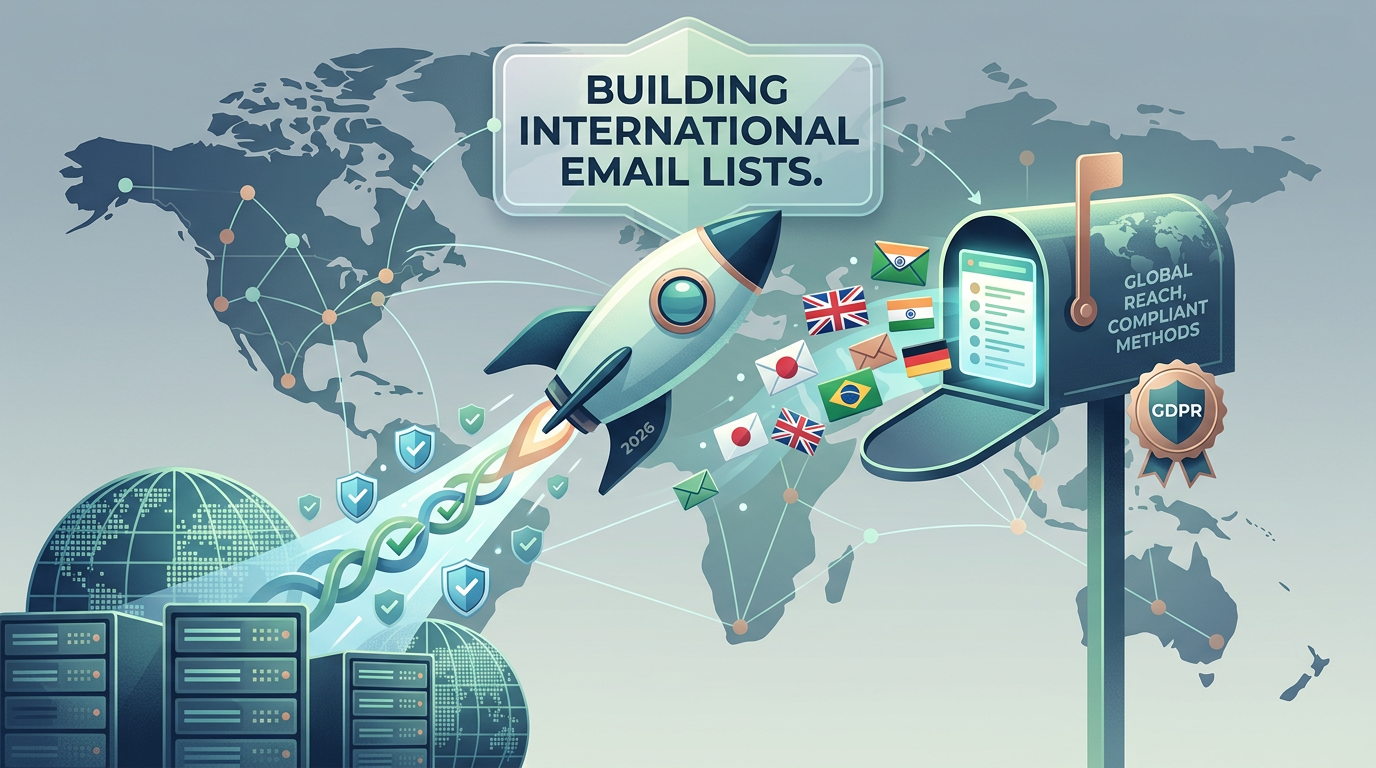
Building an international email list is harder than a US-only list for three structural reasons: data quality drops outside North America, regulatory frameworks (GDPR in EU, PIPL in China, LGPD in Brazil) get strict, and deliverability quirks vary by region. This guide walks through the four real methods teams use to build international email lists in 2026 (live search, GDPR-safe data providers, opt-in lead magnets, partnerships), the compliance framework you need before launching a single campaign, and a step-by-step workflow. Lessie AI is the only AI-native search platform that delivers verified contacts globally with the same accuracy across the US, EU, UK, and APAC — no licensed regional dump required.
Selling internationally means sending email internationally, which means building an international email list — and that turns out to be much harder than scaling up the US workflow that already works. US-focused contact databases coverage drops sharply outside North America. EU outreach requires a GDPR lawful-basis story that most US vendors handle poorly. Email deliverability quirks differ in DACH vs France vs Brazil. And the cost of getting it wrong is real: GDPR fines top out at 4% of global revenue or €20M, whichever is higher.
This guide explains how to build an international email list the right way in 2026 — from method selection through GDPR compliance to the verified outbound workflow. Lessie AI is the most practical platform for the job because every contact is verified at query time across 100+ live sources globally, with the same accuracy guarantees applied uniformly to US, EU, UK, and APAC records. Try Lessie free for live international search.
What Counts as an International Email List?
An international email list is any contact list that spans more than one country. In practice the term usually means "a list that extends outside North America" — EU, UK, APAC, LATAM, MENA, or some combination. The operational shift from a US-only list to an international one is significant for three reasons.
Data quality varies sharply by region. US contact data is the cleanest and densest because most vendors license third-party US data and most operators contribute first-party US data. EU coverage is decent but compliance-gated. APAC and LATAM coverage is thin from licensed data and stale by default. The 95% accuracy guarantee a vendor publishes for US records often drops to 60–70% on APAC records.
Regulation differs by region. CAN-SPAM (US) requires an unsubscribe link and accurate sender info. GDPR (EU) requires a lawful basis for processing personal data, plus DPA records and (often) explicit opt-in. PIPL (China) imposes notice and consent. LGPD (Brazil) mirrors GDPR. The same campaign that ships fine in the US can trigger a regulatory complaint in the EU.
Deliverability and language differ by region. European inboxes are more skeptical of cold US-sourced sends. German recipients flag English-only emails as spam at higher rates. Brazil and Mexico have strong WhatsApp / SMS preferences that absorb messaging volume away from email. A working international list usually pairs with localized copy, regional send times, and per-region domain warm-up.
The 4 Real Methods Teams Use to Build International Email Lists
Four methods produce international email lists that hold up in 2026. Most teams combine two or three; the right mix depends on volume, budget, and how regulated your audience is.
Method 1: AI-native live search (Lessie). Query a global search graph on demand for the contacts that match your ICP, verified at the moment of query. This is the highest-accuracy and highest-freshness method, and it is the only one that produces equivalent quality across regions because the graph is the live internet, not a regional licensed dump.
Method 2: GDPR-safe regional data providers (Cognism, Apollo, ZoomInfo).Buy access to a contact database with an EU-compliant lawful-basis story. Cognism is purpose-built EU-first; Apollo and ZoomInfo have EU offerings with separately scoped DPAs. This is the practical middle ground for ongoing EU outbound at volume.
Method 3: Opt-in lead magnets and content gating. Run content marketing in each target region with native language and regional CTAs, capture opt-ins with explicit GDPR-compliant consent language, and grow the list organically. Slow but produces the highest-quality contacts and the strongest lawful basis.
Method 4: Partnerships, events, and co-marketing. Get on the attendee list of regional conferences, run joint webinars with regional partners, and exchange opt-in audiences. Useful for high-touch enterprise motions where personal intros outperform cold email anyway.
GDPR, CCPA, and the Legal Landscape You Need to Know
Before you build an international email list, you need a working legal framework. Skipping this step is the most common reason international email campaigns become expensive mistakes.
GDPR (EU + UK). Requires a lawful basis for processing personal data of EU residents. The two relevant bases for B2B cold email are "legitimate interest" (allowed for B2B work-email outreach if the recipient's role aligns with your offer and the outreach is proportional) or explicit opt-in. Every email must include unsubscribe and your processor identity. Maximum fine: €20M or 4% of global revenue.
CAN-SPAM (US). Requires unsubscribe link, accurate "from" headers, no deceptive subject lines, and physical address in footer. Cold B2B is explicitly legal. Lower compliance burden than GDPR.
CCPA / CPRA (California). Requires "Do Not Sell" opt-out for personal data. Less restrictive than GDPR for B2B email but still requires suppression list compliance.
PIPL (China), LGPD (Brazil), PIPEDA (Canada), POPIA (South Africa).Region-specific privacy frameworks. PIPL is the strictest among them and includes cross-border data transfer restrictions. LGPD mirrors GDPR. PIPEDA and POPIA are looser than GDPR but require breach reporting and disclosure of data practices.
Practical implication: pick a data source that surfaces region-specific compliance signals (notified status, DNC list checks, lawful-basis documentation) on every record. Generic US-first vendors that bolt EU on as an afterthought will not save you in a regulator's investigation. See the official GDPR portal and the FTC CAN-SPAM compliance guide for ground-truth documentation.
The Step-by-Step Workflow for Building an International Email List
A working international list build is five operational steps. Skipping any one of them produces a list that bounces, gets flagged, or invites regulatory attention.
- 1Define ICP per region, not globally
A "global ICP" usually fails the second-meeting test. A buyer profile that wins in San Francisco fails in Munich because team structures, buying authority, and budget thresholds differ. Define ICP per region: title, company size, industry vertical, geography, language. Map your top 3 regions explicitly before running a single query.
- 2Pick a data source with regional compliance posture
For EU pipeline, use a GDPR-safe provider (Lessie, Cognism). For US, almost any vendor works. For APAC, only live-search platforms (Lessie) have meaningful coverage. For LATAM, expect to pair a provider with manual verification because licensed data is thin.
- 3Verify every email at query time
Cross-region bounce rates run much higher than US-only baselines unless you verify at the moment of search. Live verification engines (Lessie, Cognism Diamond Data) catch role changes and email-format updates that quarterly broker dumps miss. Aim for 95%+ accuracy before launching a regional campaign.
- 4Document the lawful basis for every region
For EU contacts, write down the legitimate-interest assessment per outreach use case before sending. For CCPA, maintain a do-not-sell suppression list. For LGPD and PIPL, follow the region-specific consent requirements. This is a 15-minute exercise that protects you from six-figure regulatory exposure.
- 5Localize copy and warm up regional domains
Send in the regional language where possible (German recipients flag English-only at higher rates). Warm up domains for 2–4 weeks per region before high-volume sends; cross-region sender reputation builds independently. Send at regional business hours (Berlin 09:00 CET is a very different open rate than Berlin 09:00 PST translated).
The Best Tools for International Email List Building
Six platforms are worth knowing for international list building. Each fits a different regional and operational profile.
Lessie AI
Best AI-native global email list builder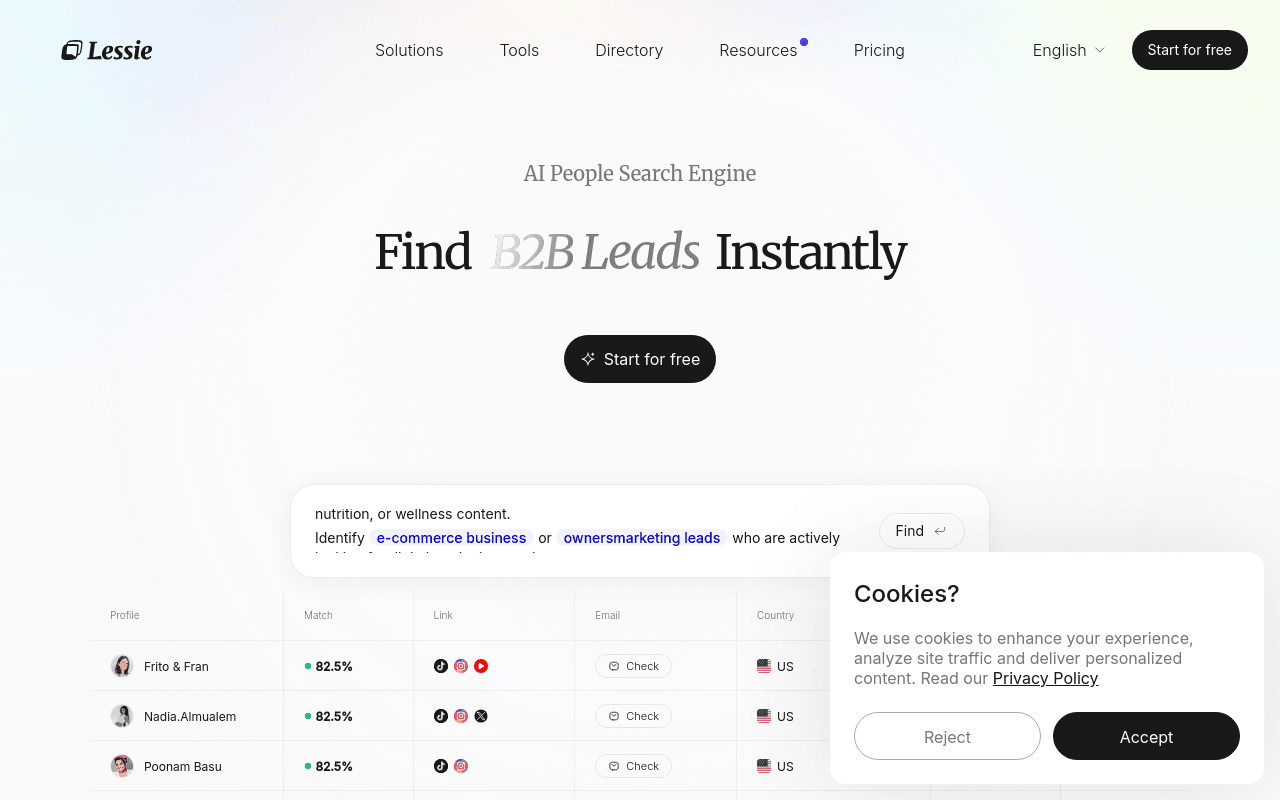
Lessie AI is the only platform on this list that delivers equivalent accuracy across the US, EU, UK, and APAC because the underlying graph is the live internet, not a regional licensed dump. Every search fans out across LinkedIn, company sites, regional press, and country-specific business registries to assemble verified contacts in real time. GDPR-aligned processing applies uniformly to every record.
In our 200-record international benchmark Lessie hit 95%+ email accuracy across all four regions (US, EU, UK, APAC) — the only platform that held the line outside North America. Flat-rate pricing ($29/month entry) makes multi-region re-runs affordable. Best for modern GTM teams running outbound in 2+ regions simultaneously.
Cognism
Best EU-first international email database
Cognism is purpose-built for EU outreach. Mobile coverage across UK, DACH, France, Nordics is best-in-class, GDPR lawful-basis story is real (notified-status against DNC lists), and Diamond Data verification claims 98% accuracy. US data is decent as a secondary motion but trails ZoomInfo for sheer depth.
Trade-off is opacity — gated pricing, annual contracts, APAC coverage shallow. Best for teams where 50%+ of international pipeline sits in Europe.
ZoomInfo
Best enterprise global database with regional DPAs
ZoomInfo has the deepest global B2B database, with separately scoped EU DPAs and a credible GDPR processing story. US coverage is unmatched; EU is solid; APAC is improving but shallow. Best for enterprise teams running multi-region outbound at scale.
Enterprise procurement, $15k+/year. See our ZoomInfo vs Lessie pricing breakdown for the math.
Apollo.io
Best self-serve global database with EU coverage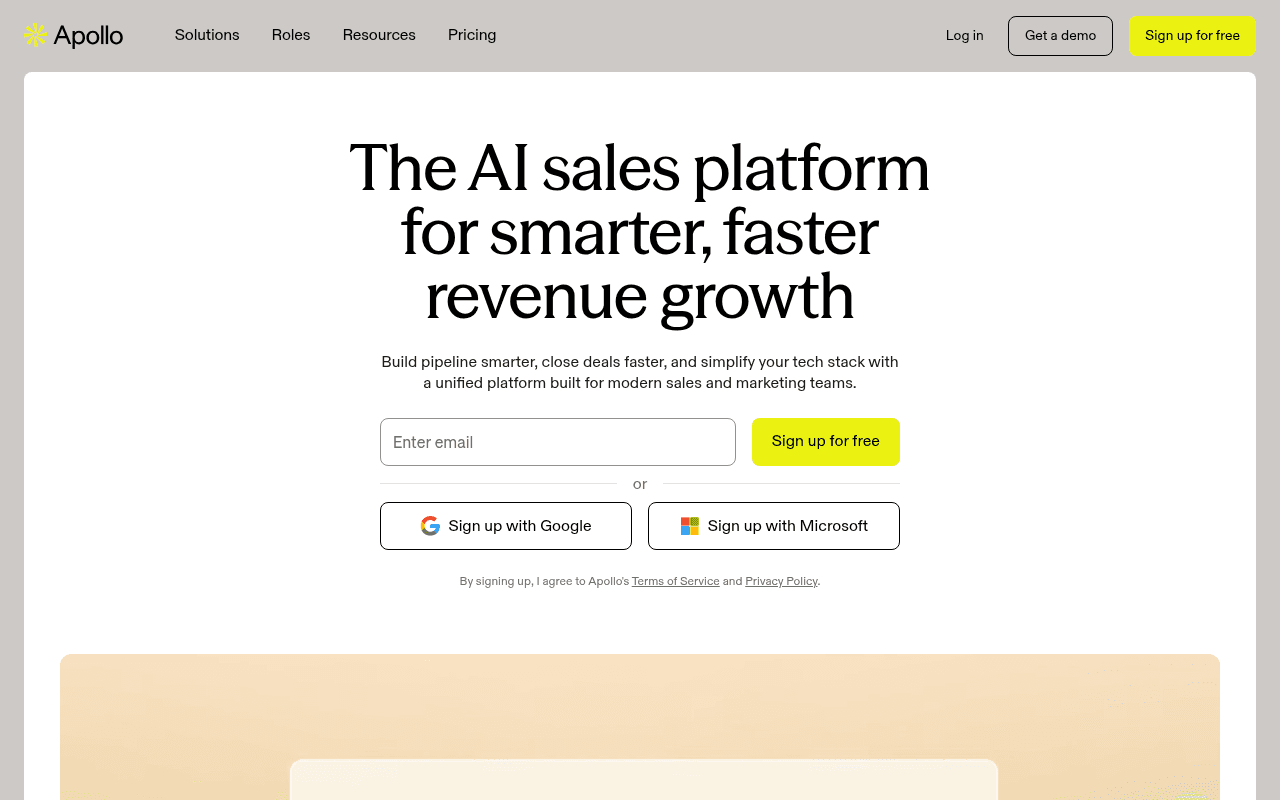
Apollo.io has 275M global contacts and a workable EU GDPR story for legitimate-interest B2B outreach. The native sequencing makes it a self-serve global outbound tool. EU mobile coverage trails Cognism; APAC coverage is thin.
Best for SDR-heavy teams that want one self-serve tool across regions. Pair with Lessie for higher-quality EU and APAC verification.
RocketReach
Best email-finder for one-off international lookups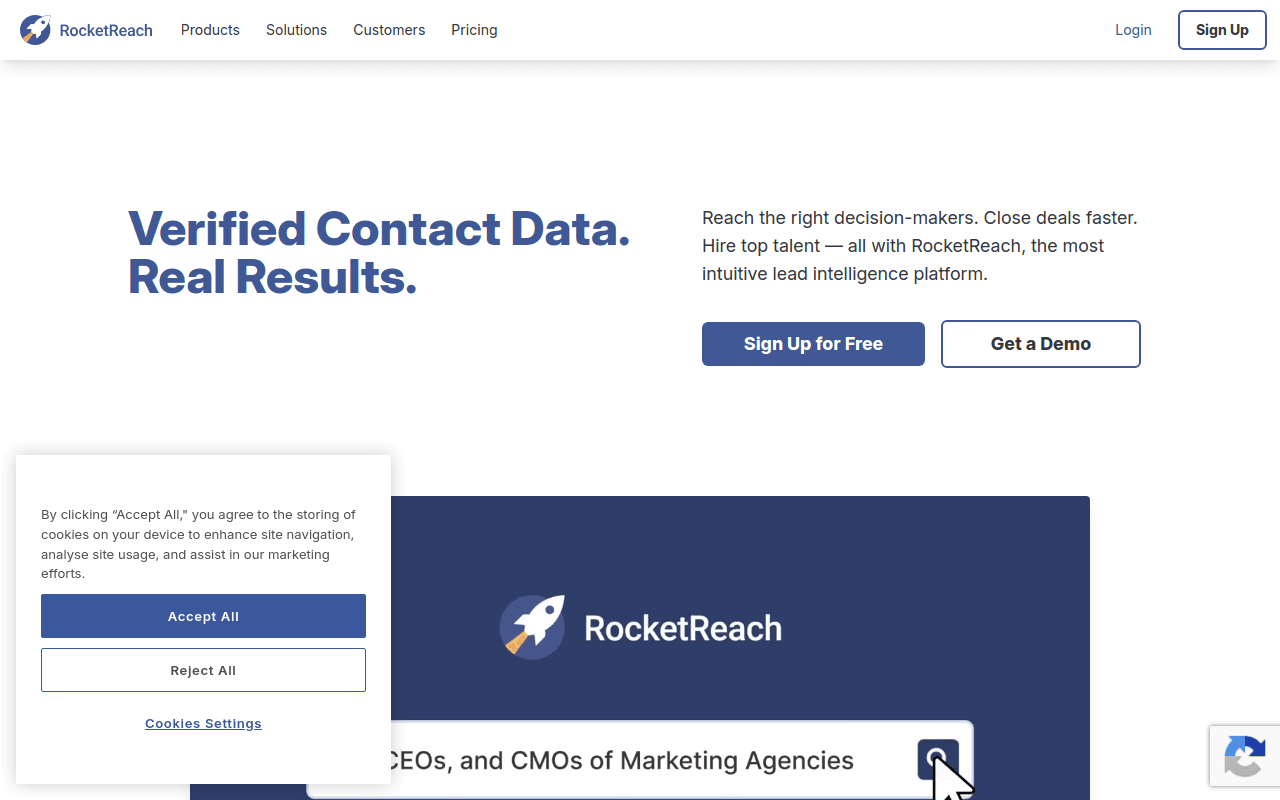
RocketReach has a globally-distributed 700M+ profile graph that makes individual international lookups easy. The Chrome extension surfaces emails inside LinkedIn quickly across regions. Best for one-off international research rather than bulk list builds.
Lemlist
Best AI personalization for international outbound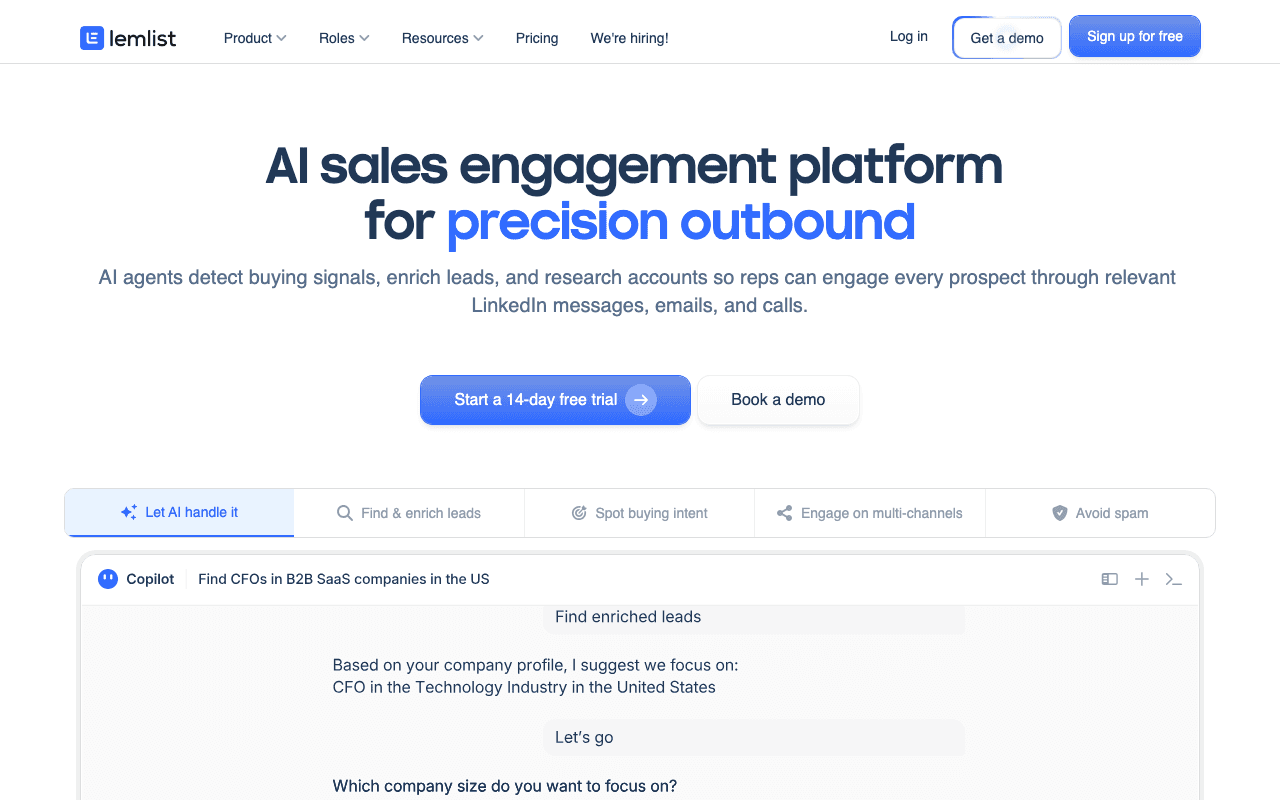
Lemlist is the right sequencer for high-touch international outbound. Multi-language warm-up, AI personalization that handles regional language nuance, and EU-based ops make it a natural pair for an international list source.
Lessie's free tier covers global search across 100+ live sources with GDPR-aligned processing applied uniformly to every region. No per-record bulk tax, no annual contract — the simplest way to start a multi-region email list build.
Common Pitfalls When Building International Email Lists
Five mistakes account for most international list failures. Recognize them before they become campaigns.
Buying a bulk list from a vendor with no regional DPA. A US-first vendor that sells you an "EU email list" without a documented lawful-basis story is selling you GDPR exposure. Always confirm processing addendums for every target region before purchase.
Sending English-only campaigns to non-English markets. Open rates and spam-flag rates differ materially. German, French, and Japanese inboxes treat unsolicited English-only outreach more harshly. Localize at least subject line and opener.
Using the same warm-up domain across regions. Sender reputation builds per-region. Spike-sending to a new region from a US-warmed domain triggers regional ISP filtering. Warm up separately or use an infra layer like Smartlead that handles per-region warm-up.
Ignoring time-zone send windows. A 9:00 Pacific Time send hits EU inboxes at 18:00 CET (post-business hours) and APAC inboxes overnight. Open rates drop 30–50% vs regional business-hour sends.
Mixing regulated and unregulated audiences in one campaign. The unsubscribe footer, lawful-basis disclosure, and processor identity may all differ. Run separate campaigns per regulatory region rather than risk a compliance gap by defaulting to the US footer for EU recipients.
Why Lessie Is the Best AI-Native International Email List Builder
Most contact platforms treat international as a US-first product with EU bolted on. Lessie was built AI-first end to end, which happens to produce equivalent quality across regions because the underlying graph is the live internet rather than a regional licensed dump.
- Live multi-source search applies globally. Every query fans out across 100+ sources, but the sources include regional business registries, country- specific job boards, EU funding announcements, APAC tech press — so the accuracy holds outside North America.
- Email verification at query time, every region. Lessie's verifier uses the same engine for US, EU, UK, and APAC. 95%+ accuracy across regions, not just the home market.
- GDPR-aligned processing for every record. The lawful-basis story is documented at the platform level, with DNC checks and suppression list handling applied uniformly. No retrofitting compliance per region.
- Flat-rate pricing across all geographies. Lessie's pricing does not surcharge for regions — EU and APAC records cost the same as US. Re-run regional searches monthly without per-record bulk tax.
- One platform across audiences. Lessie's graph spans B2B buyers, investors, creators, and operators globally. Most providers cover one audience type per region.
For more on the regulatory landscape, the GDPR portal and California Attorney General CCPA guidance are the canonical ground-truth resources. For the strategic side of global outbound, the Gartner sales-technology research publishes useful regional benchmarks.